10 Funding Opportunities for PhD Students in 2027: Fellowships, Award Sizes, Deadlines & Tips
PhD funding shapes both your day-to-day work and the career options open to you after graduation. The right fellowship or training grant buys time, credibility, and mobility; it also signals independence to future employers. Below are 10 high-value funding opportunities to target in the 2027 application cycle—what they fund, typical award sizes, usual deadlines or windows, eligibility, and tactical advice to make your application competitive.
Why this matters now
- The 2024 Survey of Earned Doctorates reports 58,131 research doctorates awarded in the U.S., so competition for limited postdoctoral and early-career funding is intense (SED, 2024).
- Career paths are shifting: 40% of new doctorate recipients with U.S. employment took industry jobs in 2024 versus 40% into academia (SED, 2024). Fellowships that broaden skills or enable internships can improve marketability across sectors.
- Grant-winning as a trainee also correlates with better career outcomes and faster time-to-degree—making a funding strategy early in your program pays off.
How to use this list
- Treat it as a menu: some awards are discipline-neutral and highly competitive; others are field- or demographic-specific.
- Many 2027 competitions have application windows in late 2026 through spring 2027—start drafting materials now.
- Prioritize 2–3 target programs and tailor each application; reuse polished research statements, but customize personnel, mentoring, and training plans.
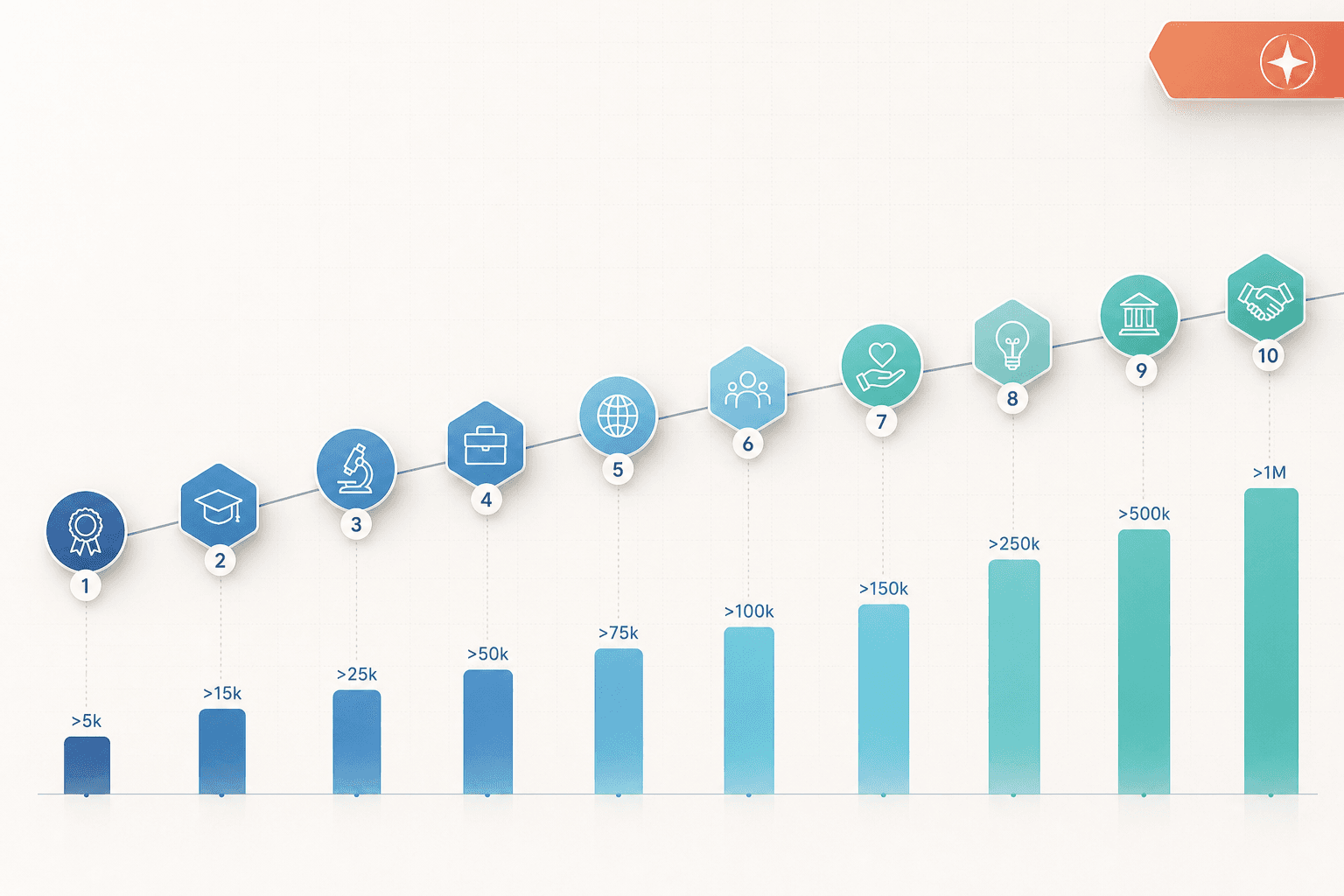
The 10 opportunities
- NSF Graduate Research Fellowship Program (GRFP)
- What it funds: Early graduate research and training for service-free support in NSF-supported fields.
- Award size (typical): $37,000 stipend + $12,000 cost-of-education allowance to institution (amounts historically updated annually).
- Deadline window: Annual competition—most institutional deadlines fall in October–November (for the following academic year). For the 2027 cohort expect the primary submission window in Oct–Nov 2026; check the NSF GRFP solicitation.
- Eligibility: U.S. citizens, nationals, or permanent residents; early-stage graduate students (and some prospective graduate students).
- Why it matters: GRFP is one of the most prestigious early-career awards and widely recognized across academia and industry.
- Tactical tips: Emphasize intellectual merit and broader impacts separately but concretely. Provide a timeline showing concrete milestones year-by-year. Ask a mentor to review your personal statement for narrative clarity and evidence of independence. See PhD Source for advice on storytelling in fellowship applications.
- NIH NRSA Predoctoral Fellowship (F31)
- What it funds: Individual support for PhD students conducting NIH-relevant biomedical, behavioral, or social sciences research.
- Award size: Stipend is set by NIH NRSA scales (typically $30k–$40k for predoctoral levels) plus tuition and institutional allowances—confirm current stipend levels on NIH RePORTER/NOT-OD notices.
- Deadline window: NIH accepts F31s on standard receipt dates (commonly Feb, June, Oct cycles). Expect multiple 2027 receipt dates—confirm the 2027 schedule in NIH parent F series announcements.
- Eligibility: U.S. citizens, non-citizen nationals, or permanent residents; research must align with NIH mission.
- Tactical tips: Build a strong training plan with concrete mentor interactions, coursework, and responsible conduct of research elements. Include preliminary data if available and a career development plan with measurable milestones.
- National Defense Science and Engineering Graduate (NDSEG) Fellowship
- What it funds: Full tuition and fees, plus a stipend and health insurance for three years—focused on areas of interest to the Department of Defense.
- Award size (typical): Full tuition + annual stipend (recent cohorts around $47,000) and health coverage; varies by year.
- Deadline window: Typically open in late fall with application deadline in January (e.g., mid-January 2027 for the 2027 cohort). Check ndseg.org for the official 2027 timeline.
- Eligibility: U.S. citizens; early-stage PhD students in relevant STEM fields.
- Tactical tips: Show alignment with DOD-relevant research and emphasize strong foundational coursework plus research independence. Obtain recommenders who can attest to your technical maturity.
- Department of Energy Office of Science Graduate Student Research (SCGSR)
- What it funds: Short-term placements at DOE national labs to conduct research complementary to your dissertation.
- Award size: Typically covers stipend, travel, and living expenses for 3–12 months; award amounts vary by duration and host lab (often $10k–$50k).
- Deadline window: Solicitations typically open annually with a spring deadline (expect a 2027 application window around March–April 2027). Confirm specifics on the SCGSR site.
- Eligibility: PhD students enrolled at U.S. institutions working in areas aligned to DOE missions.
- Tactical tips: Line up a DOE lab host and co-mentor early; letters from the host lab strongly improve competitiveness. Provide a clear plan showing how the lab visit advances dissertation aims.
- Fulbright U.S. Student Program (Research/Study)
- What it funds: Research or study abroad, valuable for projects requiring overseas access or global collaborations.
- Award size: Grants typically cover travel, monthly stipend, and partial living costs—amount varies by country and cost of living.
- Deadline window: National and institutional deadlines typically in October–November for awards beginning the following academic year (expect Oct–Nov 2026 for Fulbright 2027 awards).
- Eligibility: U.S. citizens; academic and project feasibility are key.
- Tactical tips: Demonstrate host-country feasibility with contacts or letters of invitation. Emphasize safety, project timelines, and how the experience builds unique expertise.
- Ford Foundation Predoctoral Fellowship
- What it funds: Predoctoral support for individuals committed to a career in teaching and research at the college or university level, with emphasis on building diversity in academia.
- Award size: Historically up to $35,000/year for up to three years (confirm current levels on the foundation site).
- Deadline window: Typical cycle opens in late summer with deadlines in October–November (expect Fall 2026 for 2027 awards).
- Eligibility: U.S. citizens, nationals, permanent residents, or DACA recipients; applicants who demonstrate superior academic achievement and a commitment to diversity.
- Tactical tips: Provide a strong narrative about contributions to diversity and mentoring; include evidence of academic excellence and clear plans for an academic career.
- Hertz Fellowship
- What it funds: Graduate fellowships for applied physical sciences, mathematics, and engineering with emphasis on real-world impact.
- Award size: Generous multi-year stipend and tuition support (in recent years among the highest individual fellowship awards—confirm current stipend/tuition coverage).
- Deadline window: Typically a November application deadline (expect November 2026 for the 2027 cohort).
- Eligibility: U.S. citizens or permanent residents; focus on scientific novelty and technical leadership.
- Tactical tips: Hertz prizes creative, high-risk ideas with broad societal impact; craft a visionary statement about the problem you’ll solve, not just the proposed experiments.
- NSF SBE/Dissertation Research Improvement Grants (DDIG/DDRIG)
- What it funds: Doctoral dissertation research expenses in social, behavioral, and economic sciences (discipline-specific names vary).
- Award size: Modest awards typically $10k–$20k to cover data collection, travel, equipment, and other research costs.
- Deadline window: Deadlines vary by program and solicitation—often multiple cycles or rolling. Expect submissions during academic year 2026–27; check the specific SBE program page for 2027 dates.
- Eligibility: Doctoral students in SBE fields; faculty sponsor usually required to submit or co-sign.
- Tactical tips: Be explicit about why institutional funds won’t cover these expenses and present a realistic budget. Show how funds accelerate dissertation milestones.
- American Association of University Women (AAUW) Dissertation Fellowships
- What it funds: One-year fellowships to final-stage doctoral candidates (U.S.-based) to complete dissertations.
- Award size: Historically around $30,000 (confirm current amounts on AAUW).
- Deadline window: Applications typically due in early winter (e.g., November–December cycles)—expect a late 2026 deadline for 2027 awards.
- Eligibility: U.S. citizens or permanent residents; dissertation must be in final stages. Women-focused; supports underrepresented scholars.
- Tactical tips: Demonstrate close-to-completion status with a clear chapter-by-chapter timeline and required university approvals. Use letters from your advisor that confirm defense timing.
- Institutional Training Grants and Center Programs (e.g., NIH T32, NSF NRT)
- What it funds: Institutional cohort training, stipends, and tuition for students selected by home programs.
- Award size: Varies widely by program—T32 programs commonly provide stipends and tuition support; NSF training grants fund cohort activities and trainee support.
- Deadline window: Applications are internal—check with your graduate program in fall/winter 2026–27 for selection cycles.
- Eligibility: Selection is at department or center level; application procedures vary.
- Tactical tips: Network with faculty to learn selection criteria early. If your program has a T32 or NRT, position work and coursework to match that training agenda so faculty will nominate you.
Application strategy: how to win more than one
- Start early and iterate: draft your research statement and training plan well before any deadline; getting three rounds of critical review (advisor + external reader + grant-reviewer-style read) improves clarity.
- Use evidence: quantify progress (preliminary data, pilot results, manuscripts submitted). Funders reward demonstrated momentum.
- Tailor broader impacts/training: NSF and many foundations weight “broader impacts” or “diversity” activities—describe concrete outcomes, not vague intentions.
- Recommender management: give letter writers a one-page summary, your CV, and a suggested talking point list 6–8 weeks before the deadline. Remind them one week before their commitment.
- Reuse, don’t recycle: a single research idea can be adapted across programs, but adjust emphasis—NSF wants intellectual merit + broader impacts; NIH wants rigorous methods + training; Ford wants diversity + academic plans.
Data-driven reminder
- The 2024 SED shows 79% of U.S. research doctorates are in science and engineering (45,929 of 58,131), a concentration that raises discipline-specific competition for the big national fellowships (SED, 2024). Use program-specific fit and clear training outcomes to stand out.
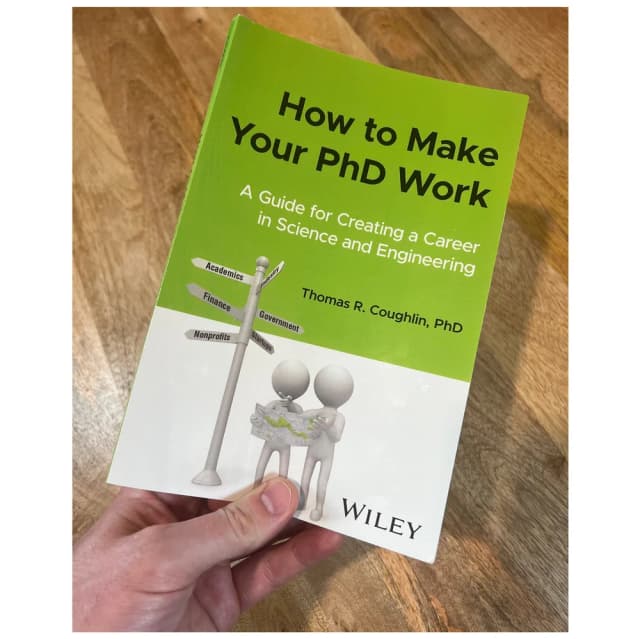
Conclusion A thoughtful funding strategy—targeting opportunities that fit your stage, field, and career goals—can unlock time, resources, and credibility. Pick a few primary targets from this list, build polished, evidence-driven drafts early, and iterate with mentors. For more tactical guidance on proposal writing, timelines, and narrative framing, see my book at PhD Source and subscribe to the newsletter for regular funding alerts and step-by-step templates.
Call to action Want help prioritizing these opportunities or polishing an application? Explore PhD Source resources, the 2023 book for practical templates and examples, or consider one-on-one coaching to make your 2027 submissions competitive.